Reluctance to return
Life After LifeReluctance to return is the emotional counterpoint to the return itself in Raymond Moody’s composite account of a Near-death experience. A person may be restored to physical life, but not because the reported realm has lost its attraction: the return interrupts an experience of peace, love, or extraordinary beauty, and can leave the person facing a difficult passage back into the body.
Place in the Composite Account
Moody presents the reluctance as part of the theoretically complete model he first constructed in Life After Life, a model intended to bring together the common elements of typical accounts. In its sequence, a person who has reached a boundary between earthly life and what appears to be the next life learns that death is not yet due. By then, the person has become absorbed in the experience beyond the body and does not want to go back. The return nevertheless occurs, and the person lives.
The model is a synthesis, not a claim that every person reports the same fixed sequence. Moody distinguishes its common elements from unusual elements he encountered in later collections: those rarer features were generally reported by people describing especially long encounters. Reluctance to return, by contrast, belongs to the familiar pattern he uses to orient the reader to these accounts.
What Makes Return Unwelcome
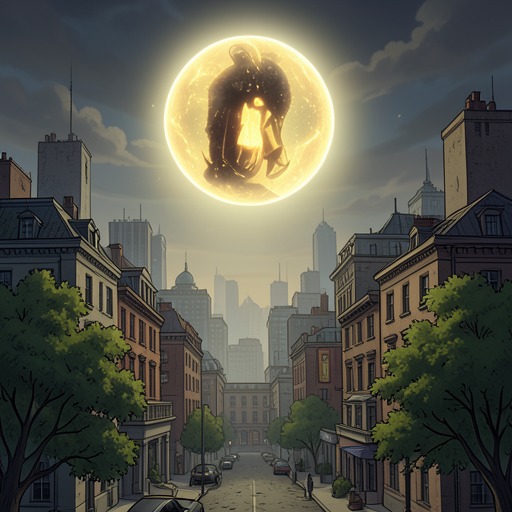
The strongest contrast is between the reported qualities of the other realm and the prospect of returning to earthly life. In the composite account, the person is overwhelmed by joy, love, and peace. In one man’s report, a brilliant city appears at a distance, with gleaming separate buildings, fountains, happy people, and beautiful music. He understands that entering it would mean he could not go back, and says that, had he entered, he thinks he would never have returned. The choice is presented to him, but its terms make clear why remaining seems so compelling.
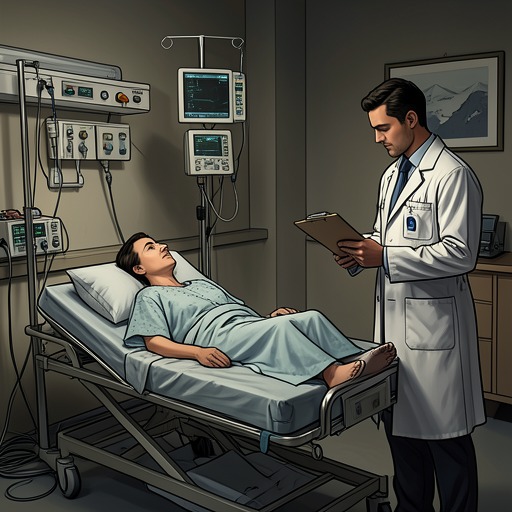
The accounts also distinguish the experience of leaving the body from the bodily condition encountered upon return. Moody reports that many people felt no pain while outside their bodies, even when they had been in severe pain beforehand or could see medical personnel working on them. Some said the pain seized them again as soon as they re-entered their bodies. That contrast gives the return a physical cost as well as an emotional one: the reported calm of the disembodied state gives way to the sensations of the injured or ill body.
Choices, Commands, and Obligations
Not every account frames return as a free choice. In a historical narrative discussed by Moody, a guide orders a man back to his body and tells him to live among other people again. The guide links the man’s future hope of joining the happy spirits to weighing his actions more carefully and living virtuously and simply. The man is reluctant because of the beauty of the place and the company he has encountered, yet he does not challenge the guide; he suddenly finds himself alive among people once more. Here the pull to remain meets an external command and an ethical instruction about how to live after returning.
A Polynesian story offers a different emphasis. A woman who has left her body is told by her dead father to return because her child has no one else to care for him. Her father helps her back toward the living, while spirits try to detain her; she escapes their pursuit and returns to her body. Moody identifies the demand to return for her son as one of the recognizable elements in the story. The account makes responsibility to someone living the reason for return, rather than presenting the decision primarily as a preference between two realms.
Recurrence and Meaning
Moody treats reluctance to return as a feature that recurs across accounts, including historical narratives. In discussing two such stories, he points to the familiar reluctance in both. One also includes a spirit’s departure from the body, an initial failure to recognize the body as one’s own, the ability to see and hear people who cannot perceive the spirit, and a greeting from a deceased friend. These details place the unwilling return within a larger pattern of altered bodily perspective and contact with the dead, rather than making it an isolated emotional response.
Across the examples, the reluctance does not have a single cause or outcome. A person may resist because the other realm feels peaceful and beautiful, accept a guide’s command despite that attraction, or be brought back by an obligation to a child. The recurring structure is the tension between a compelling experience beyond ordinary bodily life and a return that is either required or made necessary. In Moody’s account, the person’s eventual return does not erase that tension; it helps explain why returning can be remembered as a loss even when physical life resumes.